Signs of Domestic Abuse & Violence
Signs of Domestic Abuse & Violence
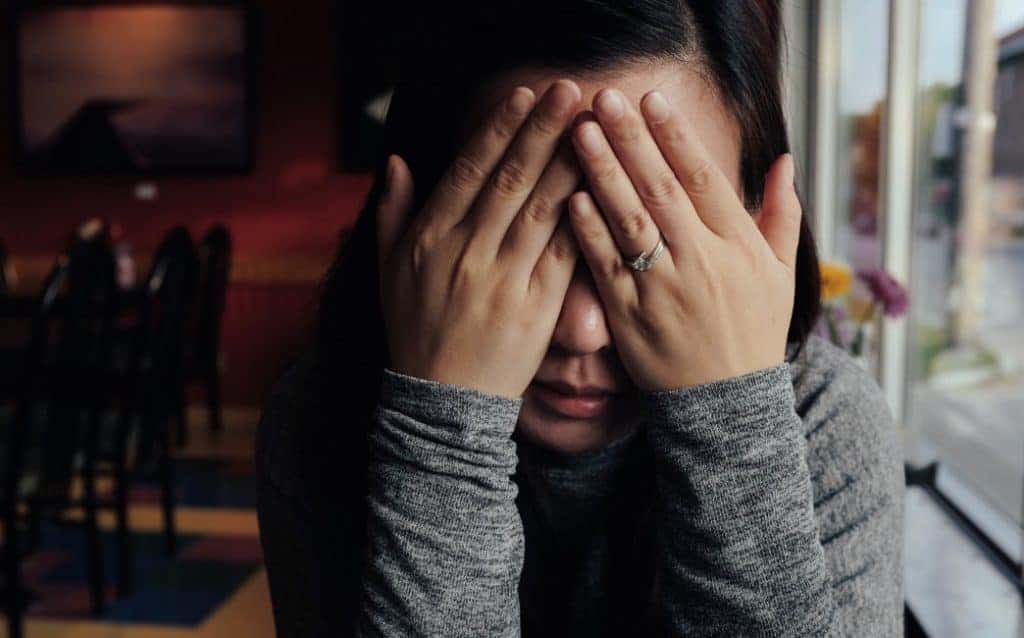
The sad, unfortunate journey to becoming a victim of domestic abuse or violence often starts with small things which develop into big things. At first the events may seem trivial, but they build up into something terrible. The pleasure and enjoyment from living ebbs out of the victim’s life.
Early Warning Signs
Circumstances will be different in each relationship, but some early warning signs that it is on the road to being unhealthy is when one partner:
- Has bad butterflies, that dreaded feeling or headaches much of the time;
- Stops eating or sleeping properly;
- Stays in more often and sees less of family and friends to avoid arguments at home;
- Gives up having opinions of their own, believing their partner is right about everything;
- Has a feeling they are ‘walking on eggshells’, worried that certain actions or words will provoke their partner into an outburst; or
- Feels scared when their partner is angry because it is impossible to predict their behaviour.
Key things to look out for are when a partner finds they are under pressure to change who they are, or alter their behaviour, because they feel unsafe or are frightened about how their partner will react. From then on things often escalate into more serious forms abuse or violence.
Unhealthy Relationship
Signs a relationship has become unhealthy are when the abuser:
- Makes threats;
- Constantly criticises their partner;
- Makes them feel guilty if they don’t spend time with them;
- Steals from their partner;
- Hits, slaps or pushes their partner;
- Ignores their partner’s wishes and makes them do things they don’t want to, such as have sex;
- Cheats on their partner or accuses them of cheating.
Delving more deeply into the signs of an unhealthy relationship, we have outlined some of the ways perpetrators behave to gain control below:

Destructive Criticism & Verbal Abuse
Shouting, mocking, name calling, being insulting, falsely accusing a partner of wrong doing or being verbally threatening, perhaps leading to the partner becoming a lot more critical of themselves, thinking they are overweight, behaving in silly ways, being unsure of their own judgment, or believing they are lucky to have a partner, without whom they could not cope.
Showing Disrespect
Putting a partner down in front of family, friends or other people; embarrassing a partner in public; not listening or responding when they talk; interrupting their telephone calls; refusing to help with childcare or housework; stealing items or money from them; or damaging their possessions, including heirlooms.

Pressure Tactics
Sulking; being jealous and possessive; wanting to know where their partner is all time; threatening to withhold money; getting the partner to buy things for them; telling them what to wear; denying a partner access to a phone, computer, tablet, internet or car; altering the heating controls to uncomfortable levels; taking the children away; lying to a partner’s friends or family about them; forcing a partner to move the relationship further than they want to; or telling them they have no choice in any decisions.
This can result in the victim avoiding saying things because they are unwilling to risk upsetting their partner, the ‘walking on eggshells’ situation, because they are frightened about how their partner, who may well have Jekyll-and-Hyde mood swings, will react.

Isolation
Monitoring or blocking phone calls, e-mails and social media accounts; telling a partner when and where they can and cannot go; preventing them from seeing friends and relatives; making no attempt to get on with their partner’s friends or family; or shutting them in the house.

Breaking trust
Regularly checking up on their partner, following them; not allowing them privacy by opening their post, going through their laptop, tablet, mobile, emails or social media accounts; constantly checking to see who has called them; or accompanying them everywhere they go.

Threats
Making angry gestures; using physical size to intimidate; shouting their partner down; using violent language; threatening to destroy a partner’s possessions; threatening to report them to the police, social services or the mental health team unless they comply with the perpetrator’s demands; pressurising a partner to use illegal substances; threatening to withhold medicines from a partner; threatening self-harm or suicide; deliberately scaring their partner; wielding a knife or gun; or threatening to kill or harm their partner, the children and/or family pets.

Sexual Violence
Forcing a partner to look at pornographic material; forcing them to perform sexual acts they do not wish to; forcing them to have sex when they don’t want it; or forcing them to have sex with other people.

Physical Violence
Any combination of restraint, hitting, pushing, shoving, pinching, slapping, punching, kicking, biting, pulling hair out, burning, holding by the neck or strangling.

Denial
All too often the perpetrator says the abuse isn’t happening, or their partner caused it by their so-called provocations. The perpetrator will often say they can’t control their anger, and then appear to be gentle and patient in public. They may cry and beg for forgiveness, saying the abuse or violent outburst will never happen again. But it does.